
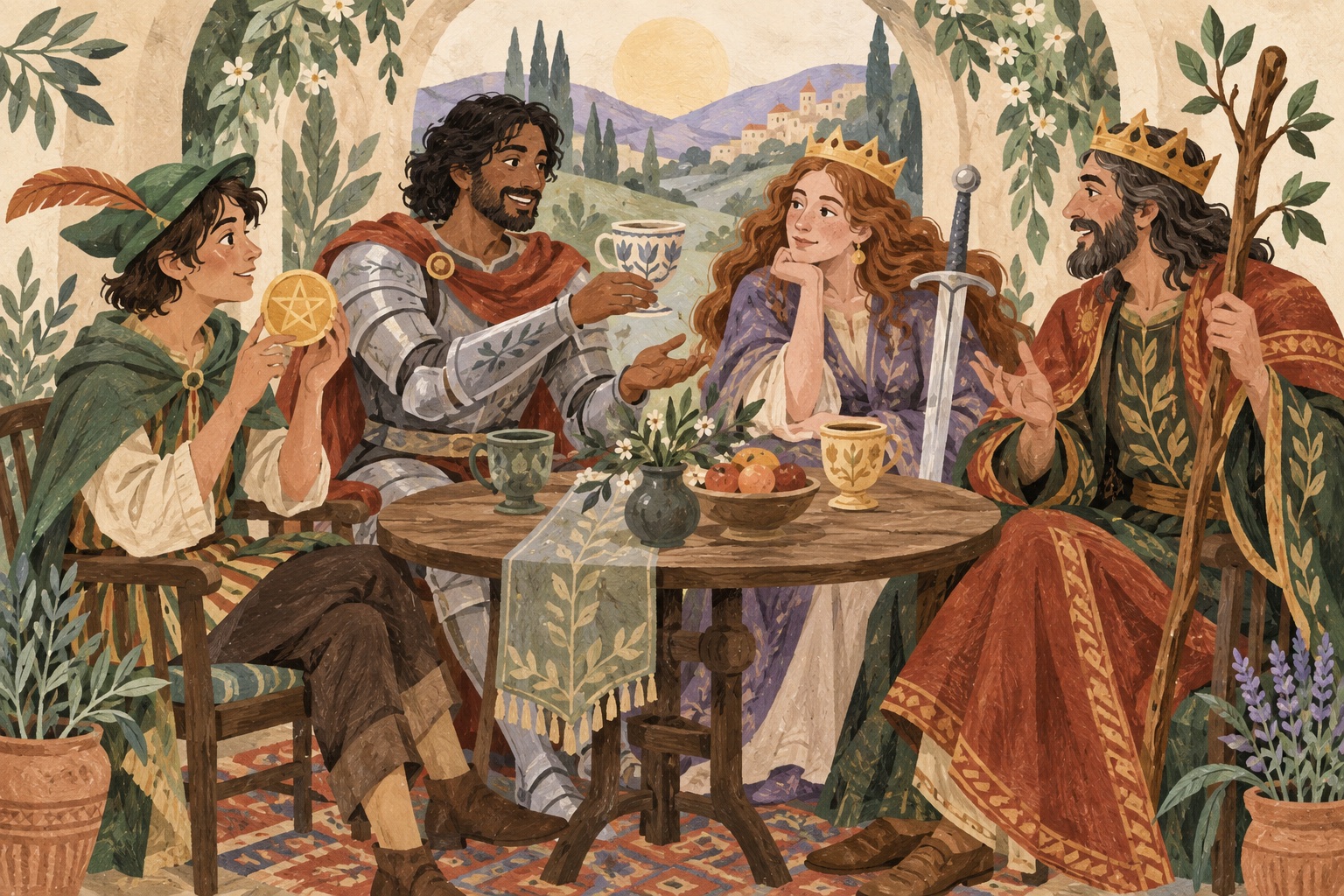
You ask about work and draw a Page, even though you have years of experience. You ask about a man and draw a Queen. Neither result has to be a mistake. Court cards become easier to read when you look at what someone is doing, rather than trying to match their age or appearance.
What is a significator?
A significator is a card you deliberately assign to represent a person or the subject of a reading. It can act as a point of reference while you explore the other cards. You do not need one for every spread.
A court card drawn at random is not automatically a significator. Depending on the question, it might describe you, another person, a role you are playing or a useful way to respond. If you need a reminder of individual symbols, use the tarot card meanings library alongside your question.
Four roles, not four levels of worth
One useful reading approach is to treat the ranks as different ways of engaging with a situation. A Page is not a failed King, and a King is not automatically a good partner.
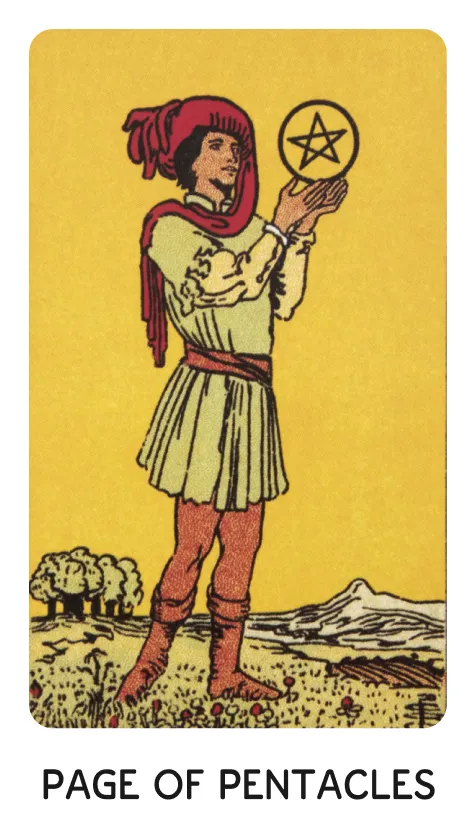
The Page explores
The Page of Pentacles offers a practical way to think about learning. What small task could help you understand something through experience?
Explore this card ↗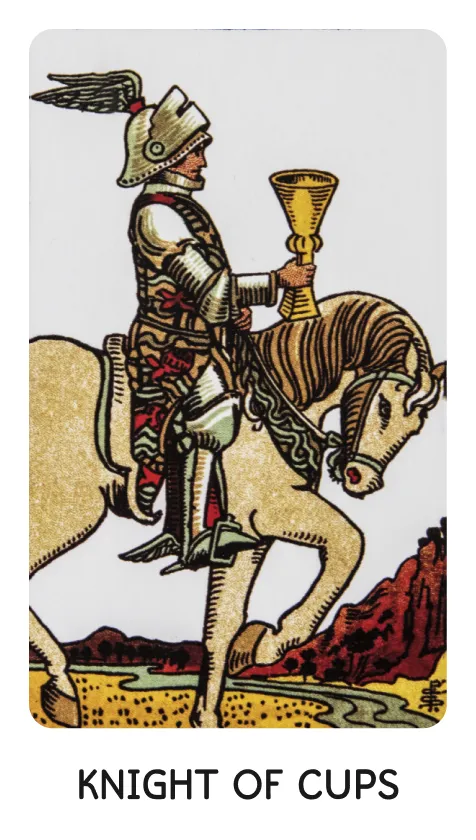
The Knight pursues
The Knight of Cups can turn attention to invitations, ideals and expressing interest. Enthusiasm alone does not establish someone’s intentions.
Explore this card ↗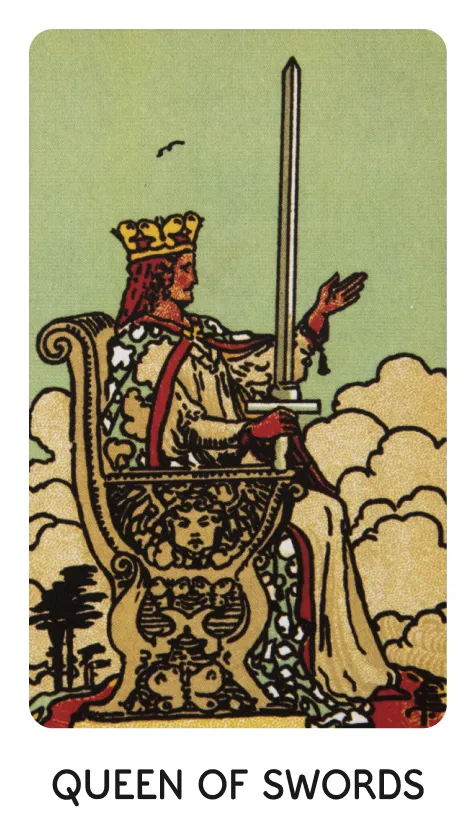
The Queen understands and responds
The Queen of Swords can help you examine judgment and boundaries. Clarity need not mean coldness.
Explore this card ↗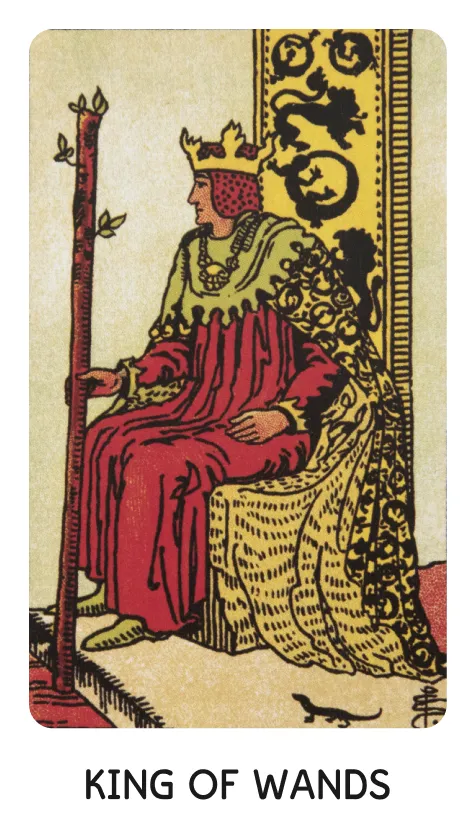
The King directs
The King of Wands invites questions about direction and responsibility. Who sets the goal, and how do their actions support it?
Explore this card ↗The suit adds the subject
Cups bring attention to feelings and connection; Wands to initiative and drive; Swords to thinking, communication and boundaries; Pentacles to practical resources and everyday effort.
Compare the Knight of Cups with the Knight of Pentacles. Both can suggest movement, but one may invite reflection on emotional expression while the other turns attention to consistency. The question tells you which part matters.
A Page at work does not make you inexperienced at everything
Imagine an experienced designer learning a new tool. In “How am I approaching this change?”, the Page of Pentacles could describe a practical learner: testing, asking questions and improving through small exercises.
A useful interpretation is “I can bring experience to this job and still need practice with this tool.” It is more precise than “I am immature.” In an advice position, the same card might prompt a concrete experiment: make one small sample before committing to a full project. This is a fictional teaching example, not a client reading.
Is it a person or a piece of advice?
Read the position before assigning an identity. The Queen of Swords in “What would help?” can invite a clear boundary. In “Whose contribution matters?”, you might consider someone who helps you separate evidence from assumptions.
Do not invent a new person simply because a court card appears. First ask whether its attitude already explains the situation. A card cannot verify someone’s private thoughts.
Choose a significator without boxing yourself in
Write one sentence about your situation, then choose a card that captures your current approach. Explain the choice in ordinary language: “I am learning how to manage a new responsibility.” Decide whether the card represents you now or a quality you want to develop; those are different starting points.
If you remove it from the deck, it cannot appear in the spread. Keep a separate image beside the cards if you want all 78 available. Your choice can change next time.
Put the idea into a reading
Write three things: the position, the behaviour suggested by the card, and something in the real situation that supports or challenges that reading. Then try connecting three cards into one interpretation.
If you prefer practising on your phone, Lumi brings tarot readings, card meanings and spreads together. Keep your own question at the centre of the exercise.
Questions that often come up
Can a Queen represent a man?
Yes, in this role-based approach. Gender and age are not fixed requirements. Use the question and observable behaviour to test your interpretation.
Do several court cards mean several people?
Not necessarily. They may describe different roles or competing approaches within one situation. They do not prove a love triangle.
Must my significator be a court card?
No. Some readers use a Major Arcana or another card that fits the theme. Choose a method before drawing and keep its purpose clear.